
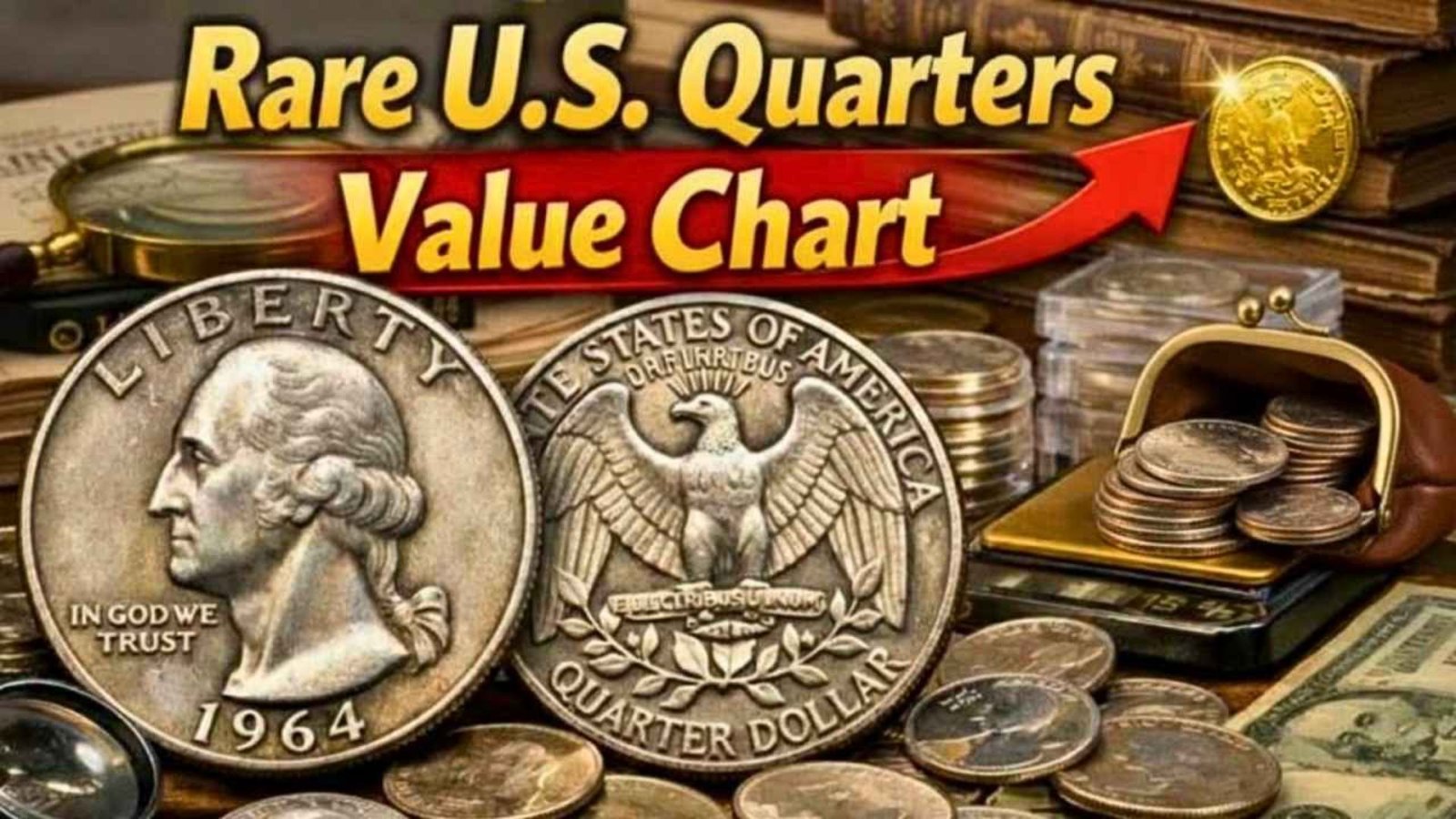
Ever dug through your change jar and wondered if that old quarter could be worth a fortune? In 2026, rare U.S. quarters—especially key date Washington quarters and unique varieties—are hotter than ever among collectors. From low-mintage gems to dramatic mint errors, these coins can turn pocket change into serious cash. Stick around as we break down the most valuable ones, complete with a value chart, history, and tips to spot them yourself.
Introduction to Rare U.S. Quarters
Rare U.S. quarters refer mostly to Washington quarters (featuring George Washington on the obverse). Collectors prize key dates with low production and varieties like doubled dies or overmintmarks. These stand out from common circulation coins.
History and Background
The Washington quarter launched in 1932 to celebrate George’s 200th birthday. Early years (1932-1964) used 90% silver. Key low-mintage issues came from Denver and San Francisco mints. Later clad versions (post-1964) introduced errors and varieties that excite hobbyists.
Why It’s Valuable Today
In 2026, silver content boosts older coins’ base value, but rarity drives prices. Low mintage key dates and errors create demand at auctions. High-grade examples fetch thousands due to collector enthusiasm and limited supply.
Key Dates and Varieties: 2026 Value Chart
Here’s a comparison of top rare Washington quarters, with approximate values in higher grades (MS65 or better, based on recent trends).
| Coin / Variety | Mint | Key Feature | Approx. Value Range (2026) | Why Prized |
|---|---|---|---|---|
| 1932-D Washington Quarter | D | Low mintage (436,800) | $5,000 – $35,000+ | Classic key date |
| 1932-S Washington Quarter | S | Lowest mintage (408,000) | $6,000 – $40,000+ | Ultra-rare first-year issue |
| 1950-D/S Overmintmark | D | D over S variety | $340 – $3,300+ | Popular overmint error |
| 1950-S/S Over D | S | S over D variety | $400 – $1,100+ | Eye-catching variety |
| 1943-S Doubled Die Obverse | S | Strong doubling | $560 – $3,600+ | Dramatic error |
| 1936-D | D | Key semi-key date | $585 – $1,200+ | Condition rarity |
Values vary by condition—always get professional grading!
Another Table: Pros and Cons of Collecting Rare Quarters
| Aspect | Pros | Cons |
|---|---|---|
| Investment Potential | High returns on key dates | Market fluctuations |
| Accessibility | Start with pocket change searches | Rare finds need patience |
| Enjoyment | Fun hobby with history | Grading/authenticity costs |
| Liquidity | Easy to sell at auctions | Competition from pros |
How Readers Can Engage
Start by checking old jars or family collections for 1932-D/S or overmint varieties. Use a magnifying glass for doubling. Join online forums, attend coin shows, or submit to PCGS/NGC for grading. It’s rewarding—many collectors began casually!
Notable Facts and Records
The 1932-D in top condition has sold for over $143,000. Silver quarters melt at around $13-14 each, but rarities far exceed that. Errors like doubled dies add unique appeal.
Expert Tips
Inspect mint marks carefully—look for overlaps in overmint varieties. Store coins in holders to preserve condition. Buy from reputable dealers. Focus on certified coins for value security.
Frequently Asked Questions (FAQs)
What makes a quarter rare in 2026?
Low mintage, errors, or varieties like doubled dies boost value.
Are silver quarters still worth more?
Yes, pre-1965 have intrinsic silver value plus collector premium.
How do I know if my quarter is valuable?
Check date, mint mark, and for anomalies. Use guides or apps.
Where can I sell rare quarters?
Auctions, eBay, or coin dealers—get them graded first.
Conclusion
Rare U.S. quarters, with their key dates and varieties, offer excitement, history, and real potential rewards in 2026. Whether you’re a hobbyist or investor, these coins remind us treasures hide in everyday places. Grab a loupe, check your stash, and who knows—you might uncover the next big find! Share your discoveries in the comments or explore more coin guides. Happy hunting!