
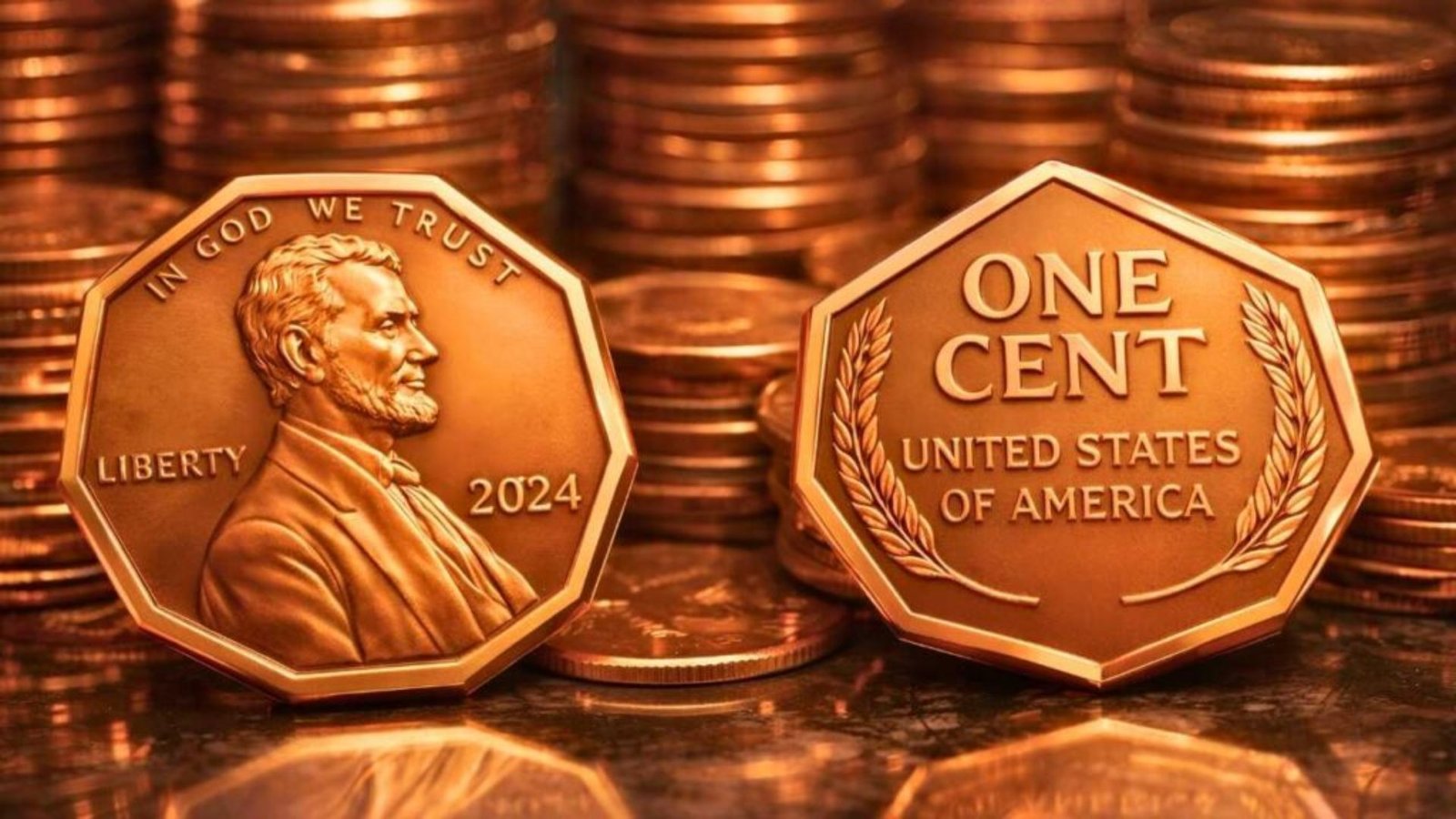
Imagine rummaging through old jars of coins and pulling out a penny worth more than a house. Sounds like a dream? In 2026, it’s reality for a lucky few. The iconic Lincoln Wheat Penny series hides jaw-dropping rarities—the 1943 bronze and 1944 steel errors—that are smashing auction records. Stick around as we dive into why these “mistake” coins are fetching seven figures and how you might spot one yourself.
What Are These Rare Lincoln Wheat Penny Errors?
The Lincoln Wheat Penny (1909–1958) features Abraham Lincoln on the front and wheat stalks on the reverse. But wartime shortages created epic flubs.
In 1943, pennies were zinc-coated steel to save copper for WWII. Yet a few were struck on leftover bronze planchets—the famous 1943 bronze penny.
In 1944, production switched back to bronze, but some got struck on leftover steel planchets—the 1944 steel penny error.
These off-metal errors are ultra-rare treasures in the rare coin world.
The Wartime History Behind the Mix-Ups
During World War II, copper was critical for ammunition. The U.S. Mint switched to steel for 1943 cents, saving tons of copper.
A handful of bronze planchets lingered in hoppers, creating the accidental 1943 bronze errors (fewer than 20 known across all mints).
By 1944, steel planchets remained, leading to the reverse error: 1944 steel cents (even scarcer in high grades).
These aren’t fakes—they’re genuine Mint mistakes that slipped through.
Why These Errors Are So Valuable in 2026
Demand from collectors keeps pushing Lincoln Wheat Penny values higher. Rarity, history, and story make them legends.
In 2026, the market is hot: high-grade examples cross major thresholds as collectors chase “holy grail” coins.
The thrill? Anyone could find one in old change or inherited collections.
Current Auction Values and Records
Values skyrocket for certified examples (PCGS or NGC graded).
Here’s a comparison table of recent highs:
| Coin Type | Mint | Rarity (Approx. Known) | Average Circulated Value | Top Auction Record (Recent/High Grade) |
|---|---|---|---|---|
| 1943 Bronze Error | P/D/S | ~15-20 total | $100,000–$500,000 | $1.7 million (1943-D MS63, 2010 record; others over $1M) |
| 1944 Steel Error | P/D/S | <50-75 total | $30,000–$100,000 | $490,500 (1944-S MS66, recent); others $180,000+ |
Regular 1943 steel cents? Just cents to dollars—unless it’s a rare variety.
How to Check Your Coins and Get Involved
Spotting one is simple:
- 1943 bronze: Looks like a normal copper penny (not silver/steel). Weigh ~3.11g, not 2.7g.
- 1944 steel: Looks silver/steel (not copper). Magnet sticks; weighs ~2.7g.
No match? Regular Wheat pennies still hold value—some circulated ones fetch $5–$50+.
Get involved: Join forums, attend coin shows, or submit to PCGS/NGC. Start small—hunt rolls or estate sales.
Notable Facts and Expert Tips
- Only ~1 known 1943-D bronze in top condition—sold for millions.
- A 1944-S steel recently set records near half a million.
- Tip: Avoid cleaning coins—it kills value. Store in holders.
- Pro insight: Get authentication fast if you suspect an error—fakes exist!
FAQs About Lincoln Wheat Penny Values 2026
Q: Are all 1943 pennies valuable?
No—most are steel (worth little). Only bronze ones are rare.
Q: What’s the million-dollar mark for these?
Yes—top 1943 bronze examples have exceeded $1M; 1944 steel approaching in gems.
Q: How many exist?
1943 bronze: ~15-20 known. 1944 steel: Fewer in high grades.
Q: Should I sell if I find one?
Authenticate first, then auction or dealer—could change your life!
Conclusion
The rare 1943 bronze and 1944 steel Lincoln Wheat Penny errors prove even tiny coins can hold massive stories—and value—in 2026. These million-dollar mistakes remind us history hides in everyday pockets. Dig through your jars, check those old coins, and who knows? Share this if it sparked your curiosity—tag a friend who loves rare coins. Happy hunting, and may your next find be a fortune! Keep collecting and scrolling for more numismatic gems.