
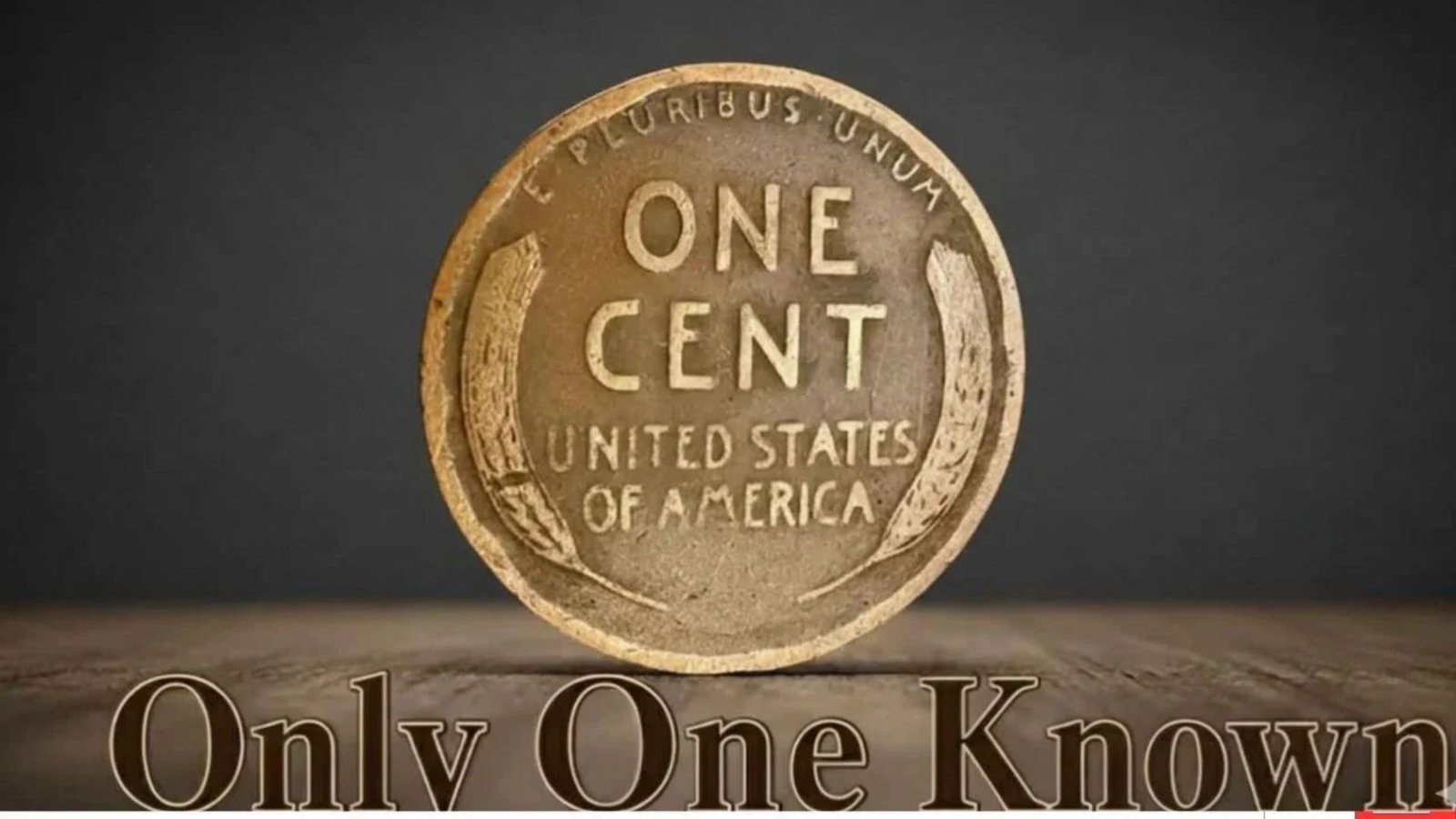
The Lincoln Wheat Penny Worth $867,000: A Collector’s Value Guide has captured the imagination of coin enthusiasts everywhere. Imagine pulling an old penny from your pocket change only to discover it’s a hidden treasure worth hundreds of thousands—or even close to a million dollars!
These rare Lincoln Wheat Pennies aren’t just pocket change; they’re slices of American history. In this guide, we’ll dive into what makes certain specimens incredibly valuable, spotlight the famous error coins that fetch sky-high prices, and share tips to help you spot potential gems in your own collection. Stick around—you might just learn how to turn loose change into serious cash.
What Is a Lincoln Wheat Penny?
The Lincoln Wheat Penny, also called the Lincoln Wheat Cent, features Abraham Lincoln on the obverse and two wheat stalks on the reverse. Minted from 1909 to 1958, it’s one of the most collected U.S. coins ever.
History and Origin
Designed by Victor David Brenner, the coin debuted in 1909 to honor Lincoln’s 100th birthday. Early versions included his initials “VDB” on the reverse, but they were removed due to controversy—making those ultra-rare. The wheat design symbolized prosperity until the Memorial reverse took over in 1959.
During World War II in 1943, copper shortages led the Mint to switch to zinc-coated steel pennies—except for a tiny handful of error coins struck on leftover bronze planchets.
Why It’s Important and Valuable Today
Rare Lincoln Wheat Pennies command huge prices due to low mintage, minting errors, and collector demand. The most famous is the 1943 copper error—struck accidentally in bronze instead of steel. These sell for massive sums because only about 20 are known across all mints.
High-grade examples in pristine condition drive values into six or seven figures at auctions like Heritage. With coin collecting booming, these pieces represent history, rarity, and potential investment.
The $867,000 Specimen and Record Prices
While exact $867,000 sales vary by condition and auction, top 1943 copper Lincoln Wheat Pennies have approached or exceeded this in recent records. A 1943-D bronze example once hit $840,000, and others in MS grades have pushed higher. The allure? Extreme scarcity plus wartime story.
Top Valuable Lincoln Wheat Penny Examples
| Year/Mint | Variety/Error | Key Feature | Estimated Value Range (USD) |
|---|---|---|---|
| 1943 (P/D/S) | Copper/Bronze Planchet | Wartime error (should be steel) | $100,000 – $1,700,000+ |
| 1909-S VDB | Low mintage + initials | First-year rarity | $1,000 – $100,000+ |
| 1914-D | Low circulation | Scarce date | $2,500 – $150,000+ |
| 1955 | Doubled Die Obverse | Dramatic doubling | $1,500 – $125,000+ |
| 1922 No D | Missing mint mark | Weak strike error | $10,000 – $90,000+ |
How Readers Can Engage and Benefit
Start simple: Check old jars, family collections, or pocket change for wheat pennies. Look for 1943 dates (most are steel—copper ones are magnetic vs. non-magnetic). Grade matters—use PCGS or NGC for authentication.
Collecting builds fun and potential profit. Join forums, attend shows, or buy certified coins. You could uncover value or grow a rewarding hobby.
Expert Tips and Insights
- Test 1943 pennies: Genuine copper errors aren’t magnetic and weigh about 3.11g (steel ones are lighter and stick to magnets).
- Avoid fakes: Copper-plated steel 1943s are common counterfeits.
- Condition is king: Red (original luster) examples fetch premiums over brown ones.
- Store safely: Use holders to prevent damage.
Frequently Asked Questions (FAQs)
What makes a Lincoln Wheat Penny worth $867,000?
Mostly rare errors like the 1943 copper, combined with top condition and auction demand.
Are all 1943 pennies valuable?
No—most are steel (worth cents). Only bronze errors are rare treasures.
How do I sell a valuable wheat penny?
Get it graded by PCGS/NGC, then auction via Heritage or sell to reputable dealers.
Can I still find valuable wheat pennies in circulation?
It’s rare now, but errors and key dates occasionally turn up in old rolls.
The world of rare Lincoln Wheat Pennies proves small coins can hold big stories—and bigger value. Whether you’re a hobbyist dreaming of that next big find or just curious about grandma’s jar of change, these pieces connect us to history. Check your pockets today, share your finds with fellow collectors, and dive deeper into numismatics. Who knows? Your next penny could be life-changing.