
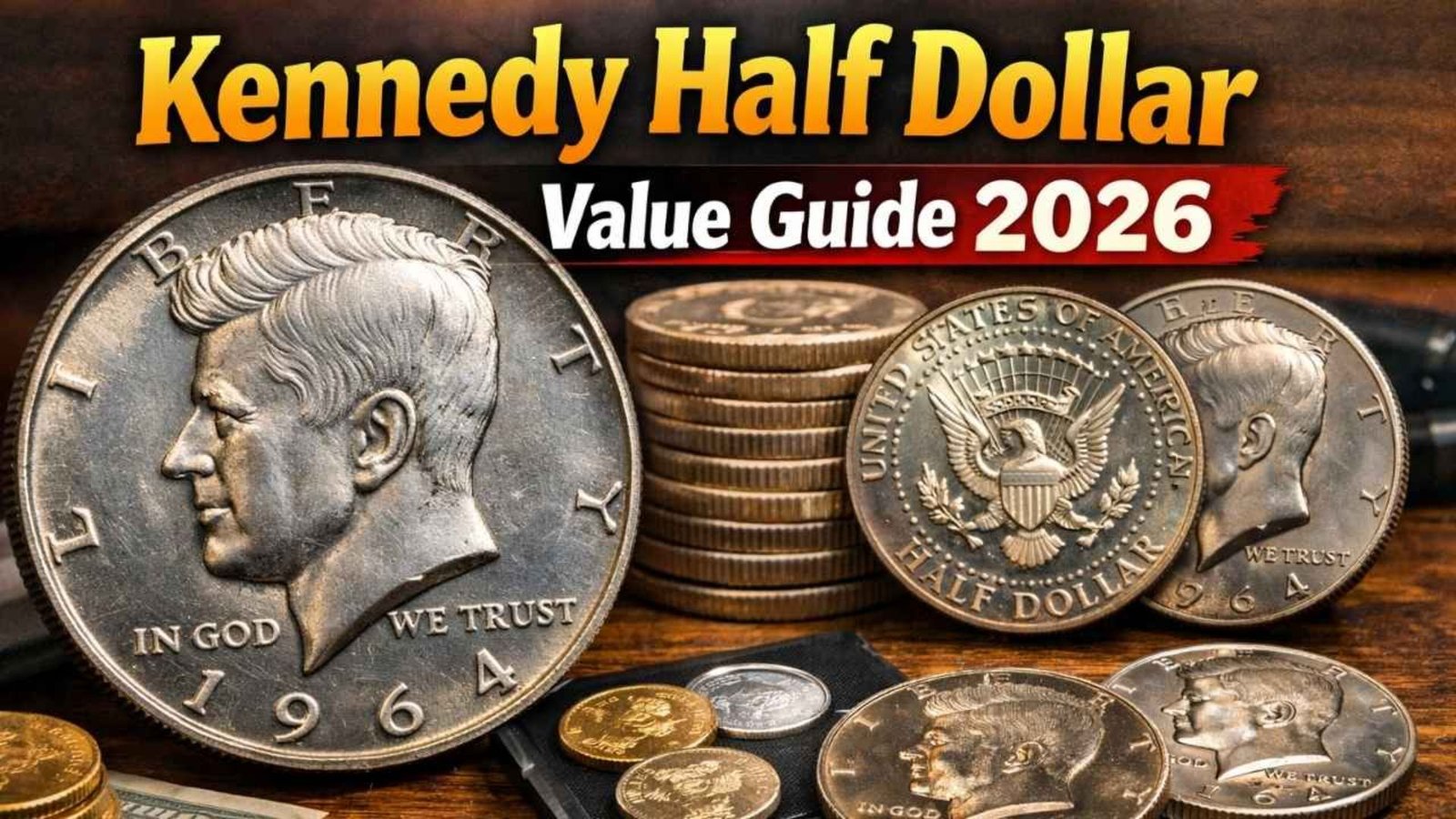
Have you ever dug through your change jar or an old coin collection and wondered if that Kennedy half dollar could be worth way more than 50 cents? In 2026, with silver prices fluctuating and collector interest surging, some of these iconic coins fetch hundreds—or even thousands—of dollars. Whether you’re a casual hobbyist or a dedicated rare coin enthusiast, this guide reveals current values, key rarities, and emerging trends to help you spot hidden gems right now.
What Is the Kennedy Half Dollar?
The Kennedy Half Dollar is a U.S. 50-cent coin featuring President John F. Kennedy on the obverse and the presidential seal on the reverse. Introduced shortly after his assassination, it’s been minted since 1964 and remains a favorite among rare coin collectors for its history and occasional high-value surprises.
History and Origin of the Kennedy Half Dollar
Congress rushed the design in late 1963 to honor JFK. The first coins hit circulation in 1964, made of 90% silver. Public hoarding was massive—over 430 million produced that year alone! From 1965–1970, silver content dropped to 40%, then switched to copper-nickel clad after 1970. Low-mintage years like 1970-D (only in mint sets) created instant keys.
The Bicentennial version (1776-1976) added dual dates for America’s 200th birthday. Today, production continues, but circulation is low—making older ones more intriguing.
Why Kennedy Half Dollars Are Valuable Today
Silver content drives base value for pre-1971 issues (1964 at 90%, 1965-1970 at 40%). Rarity from low mintages, errors, and high grades boosts prices. In 2026, strong demand for rare coin investments, plus trends in certified grading, keeps the market hot. Circulated common dates hover near melt or face value, but gems soar.
Kennedy Half Dollar Value Chart for 2026
Here’s a handy overview of approximate values based on condition (circulated to MS-65+). Prices vary with silver spot and auctions.
| Year/Type | Key Feature | Circulated Value | Uncirculated/MS-65 Value | Rare High-End Estimate |
|---|---|---|---|---|
| 1964 (90% Silver) | First year, high mintage | $10–$15 | $20–$100 | $500+ (gems/proofs) |
| 1964 Accented Hair Proof | Distinct hair detail | N/A | N/A | $100–$1,000+ |
| 1970-D | Low mintage key date | $10–$20 | $50–$200 | $1,000+ (high grade) |
| 1971-D Doubled Die | Error variety | $50+ | $100–$500 | $1,500+ |
| 1998-S Matte Proof | Special collector finish | N/A | N/A | $200–$1,500 |
| Common Clad (post-1970) | Standard circulation | $0.50 | $1–$5 | $10–$50 (proofs) |
(Note: Silver melt adds ~$10–$25+ for older issues depending on spot price.)
Rare Varieties and Collector Trends in 2026
Collectors hunt errors like doubled dies, missing initials (e.g., 1972 No FG), off-center strikes, and special finishes (SMS from 1966-1967). The 1964 SMS and Accented Hair proofs remain ultra-rare.
In 2026, trends show rising interest in certified high-grade examples and error coins. Auction records highlight pieces topping thousands, with some exceptional rarities speculated higher amid market buzz. Low-mintage proofs and varieties lead demand.
How to Check and Sell Your Kennedy Half Dollars
Examine mint marks (P, D, S), condition, and errors under good light. Use apps or guides for varieties. Get rare ones graded by PCGS or NGC for max value. Sell via auctions, eBay, or dealers—especially if silver or rare.
Notable Facts and Records
- Over 4 billion minted since 1964, but early silver ones hoarded heavily.
- 1970-D: Lowest business-strike mintage at ~2.15 million.
- Top auction: Some 1964 gems/SP68 near $156,000 historically.
- Silver melt often exceeds face value for pre-1971 coins.
Expert Tips for Collectors
Start with affordable silver issues (1964) for melt value protection. Focus on key dates like 1970-D. Buy certified to avoid fakes. Store properly to preserve condition—small upgrades mean big price jumps. Watch trends; 2026 favors graded rarities.
Frequently Asked Questions (FAQs)
Are all Kennedy half dollars valuable?
No—most clad ones are face value unless proof or error.
What’s the rarest Kennedy half dollar?
1964 SMS or high-grade errors, with values in thousands.
How much silver is in a 1964 Kennedy half dollar?
90% silver, melt value often $20+ in 2026.
Should I clean my coins?
Never—cleaning hurts value. Leave as-is.
Where to find rare ones?
Pocket change (rare), mint sets, or dealers.
Conclusion
The Kennedy Half Dollar isn’t just pocket change—it’s a slice of American history with real potential for profit. From silver melt boosts to rare collector trends in 2026, knowing values helps you spot treasures. Dig through your coins today, check for keys like 1970-D or errors, and consider building a set. Who knows? Your next find could be a winner. Share your discoveries in the comments—what’s in your collection?