
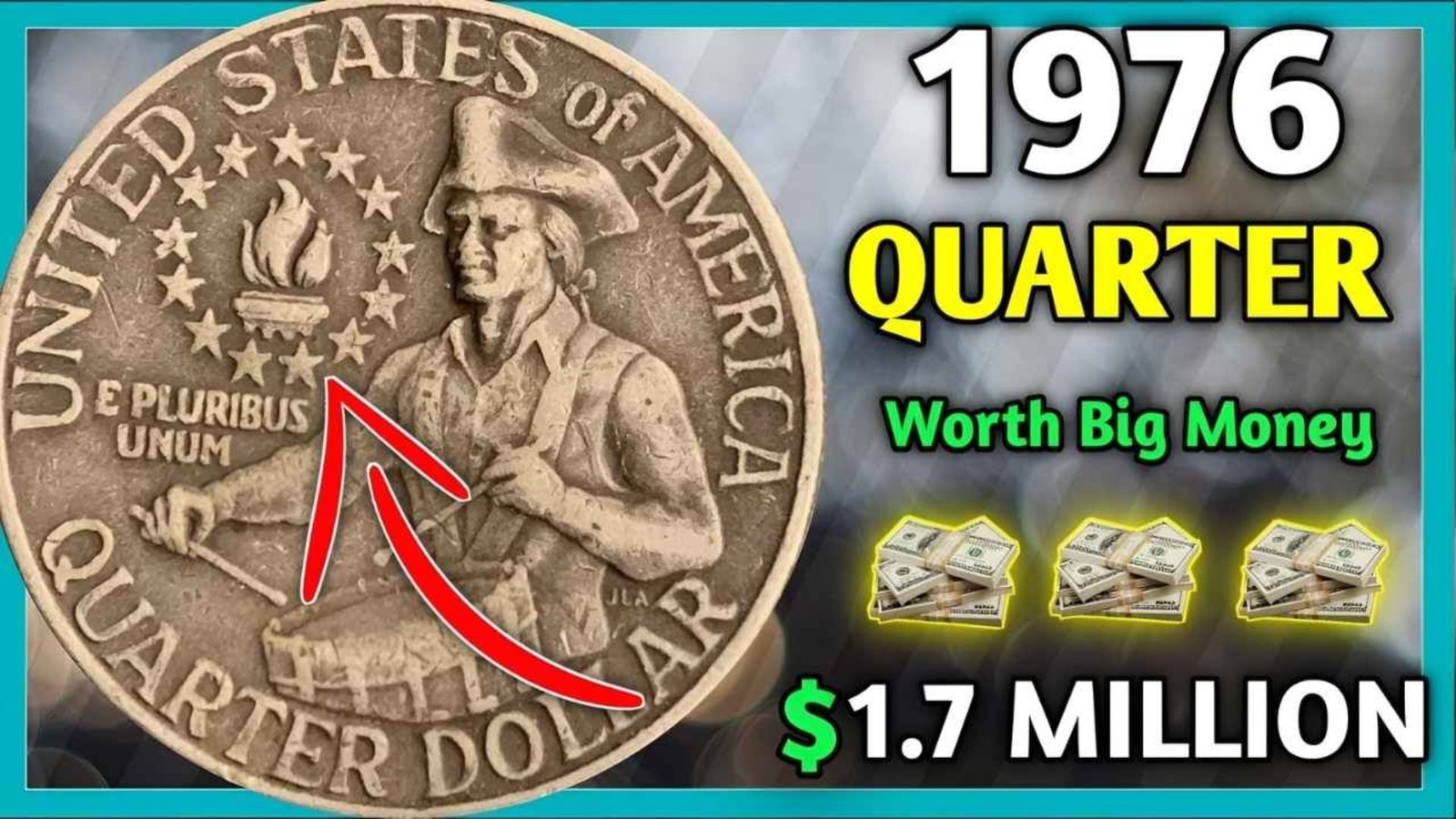
Have you ever dug through your pocket change or an old jar of coins and pulled out a shiny 1776-1976 Bicentennial quarter? Most people see it as just 25 cents, but some of these special “Drummer Boy” quarters hide rare minting errors that can turn them into serious cash—hundreds, thousands, or even more. If you’re a coin hobbyist or just curious about rare coins, stick around. This guide will show you exactly what to look for in Bicentennial quarter errors, why they’re valuable today, and how to spot a potential treasure right in your hands.
What Is the Bicentennial Quarter?
The 1776-1976 Bicentennial Quarter celebrates America’s 200th birthday. It features George Washington on the front and a colonial drummer boy on the back, with the dual date “1776–1976.” Minted in 1975 and 1976, over a billion were made, mostly clad (copper-nickel) versions from Philadelphia (no mint mark) and Denver (D), plus silver-clad proofs from San Francisco (S).
History and Background
In 1975-1976, the U.S. Mint released special reverse designs for the quarter, half dollar, and dollar to mark the nation’s bicentennial. The quarter’s drummer boy design by Jack L. Ahr became iconic. Clad quarters went into circulation, while 40% silver versions were sold to collectors. This short series makes errors stand out more to collectors.
Why It’s Valuable Today
Most circulated Bicentennial quarters are worth face value, but high-grade examples or those with errors fetch premiums. Silver versions add melt value, and rare mint mistakes create scarcity in this popular modern series. Enthusiasts love hunting them in change or collections.
Key Bicentennial Quarter Errors to Hunt For
Mint errors boost value dramatically. Here are the top ones:
- Doubled Die Obverse (DDO): Look for doubling on “LIBERTY” (especially the “R”) and date. The famous FS-101 variety (strong doubling) and FS-102 are prized on 1976-D coins.
- Wrong Planchet Errors: Struck on dime, nickel, or cent blanks—causing wrong size, weight, or color.
- Off-Center Strikes, Clipped Planchets, or Struck-Through: Misaligned designs or missing bits.
- Missing Clad Layer or Filled Mint Mark: Exposing copper or obscuring marks.
These turn ordinary coins into rarities.
How to Engage and Benefit: Spotting Tips
Grab a magnifying glass or loupe. Check:
- Doubling on letters under good light.
- Unusual weight/size (use a scale if possible).
- Color anomalies or misalignment.
If you find something, get it graded by PCGS or NGC for max value. Sell on eBay or auctions, or build a collection.
Notable Facts and Values
Here’s a quick comparison table of common vs. rare examples:
| Coin Type / Error | Typical Condition | Approximate Value Range |
|---|---|---|
| Standard Clad 1776-1976 (circulated) | Good | $0.25 – $1 |
| 40% Silver Proof (high grade MS68+) | Mint State | $20 – $19,000+ |
| Doubled Die Obverse (FS-101) | Circulated to MS | $200 – $1,000+ |
| Wrong Planchet (e.g., on dime) | Various | $1,000 – $10,000+ |
| Off-Center or Clipped Planchet | Circulated | $50 – $500+ |
Values vary by grade and market; some extreme errors have hit five figures at auction.
Another handy table for error spotting:
| Error Type | What to Look For | Potential Value Boost |
|---|---|---|
| Doubled Die | Thickened/doubled letters (esp. “R”) | High |
| Wrong Planchet | Wrong metal color or size | Very High |
| Off-Center Strike | Design shifted noticeably | Medium to High |
| Struck-Through Grease | Weak or missing details | Medium |
Expert Tips and Insights
Start with circulated coins—no need for fancy equipment at first. Compare suspects to known examples online (PCGS CoinFacts is great). Avoid cleaning coins—it hurts value. Join forums or local coin clubs for advice. Patience pays off; many treasures come from everyday pocket change.
Frequently Asked Questions (FAQs)
Are all no-mint-mark 1776-1976 quarters rare?
No—Philadelphia minted most without marks, so they’re common unless there’s an error.
What’s the rarest Bicentennial quarter error?
Major wrong planchet strikes or strong doubled dies top the list, with some fetching thousands.
Should I get my coin graded?
Yes, for anything suspicious—professional grading authenticates and maximizes sale price.
Can I still find valuable ones in change?
Absolutely! Errors turn up occasionally, so keep checking.
The 1776-1976 Bicentennial Quarter isn’t just loose change—it’s a slice of American history with hidden potential for big rewards. Whether you’re a seasoned collector or a beginner in rare coins, knowing these Bicentennial quarter errors could mean discovering real money in your collection. Grab your loupe, start hunting, and who knows? Your next handful of quarters might hold a small fortune. Share your finds in the comments or check out more rare coin guides—what’s in your pocket right now?