
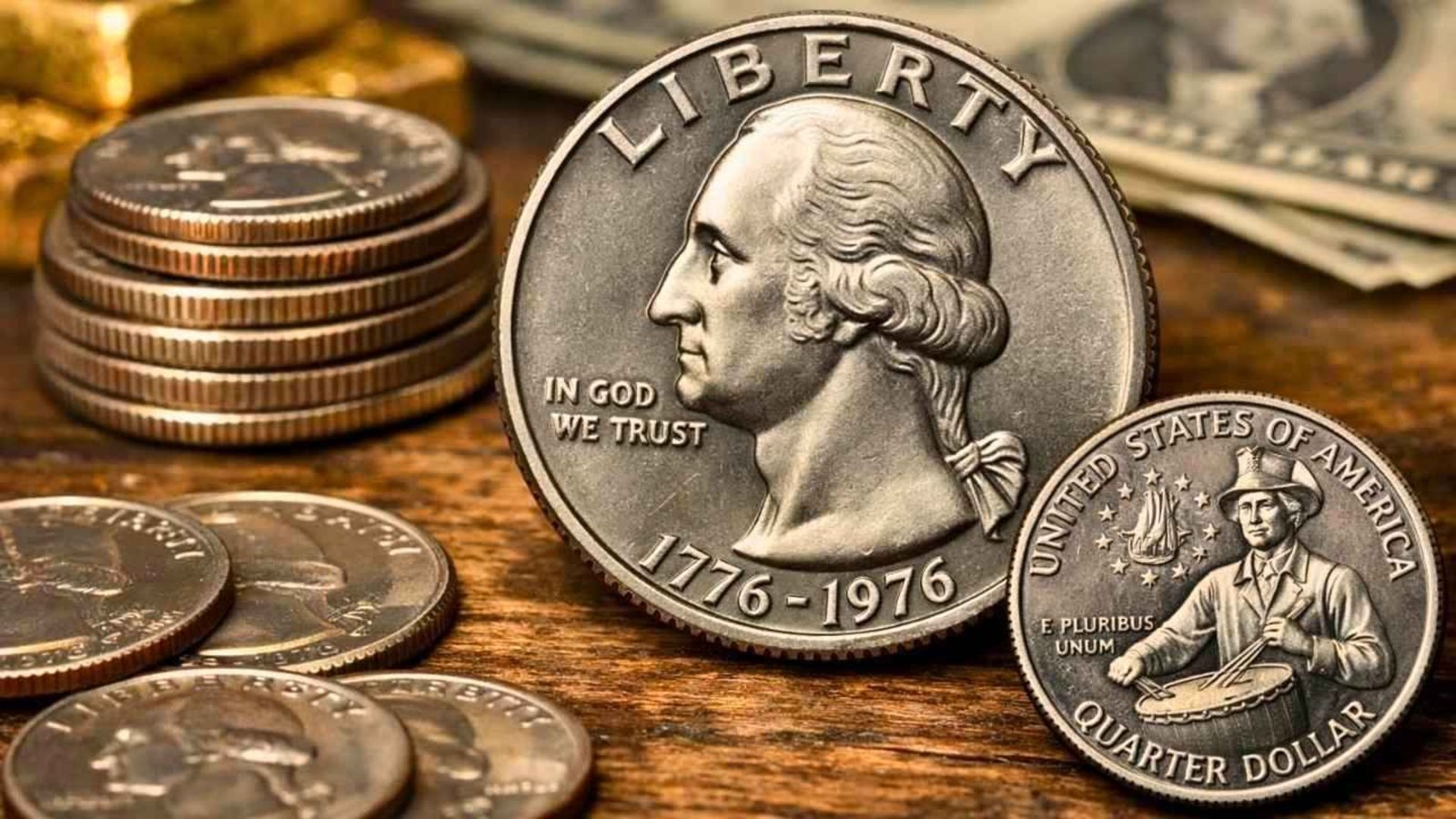
Have you ever dug through your change jar or old coin collection and spotted one of those iconic 1776-1976 Bicentennial quarters with the colonial drummer boy? These special coins were minted to celebrate America’s 200th birthday, and while most are worth just 25 cents, some rare versions and Bicentennial quarter errors can fetch hundreds – even thousands – in today’s market. In 2026, collector interest is surging, so stick around as we break down the history, current values, and how to spot the gems hiding in plain sight. You might have a small fortune in your pocket!
What Is the 1776-1976 Bicentennial Quarter?
The Bicentennial quarter is a special edition of the Washington quarter released in 1975-1976. It features George Washington on the obverse with the dual date “1776-1976” and a unique reverse showing a colonial drummer boy surrounded by 13 stars. Over 1.6 billion were produced, mostly in copper-nickel clad, but some were struck in 40% silver for collectors.
History and Background
In honor of the U.S. Bicentennial, Congress approved temporary design changes for the quarter, half dollar, and dollar coins. The Mint released these in late 1975 (dated 1776-1976) to build excitement. The clad versions came from Philadelphia (no mint mark), Denver (D), and San Francisco (S – proofs and specials). Silver-clad sets were sold to collectors, adding to the coin’s patriotic appeal.
Why It’s Valuable and Relevant Today
Most circulated 1776-1976 quarters are common and worth face value, but silver content, high grades, and mint errors drive up prices. In 2026, nostalgia and rising silver values keep demand strong. Rare Bicentennial quarter errors like doubled dies or wrong planchets make headlines, with some selling for big money at auctions.
How to Engage: Hunting and Collecting
Check your change, old jars, or inherited collections! Look for silver versions (heavier, with a ring when tapped) or obvious errors. Grade them via PCGS or NGC for max value, or join coin forums to trade. It’s a fun, low-risk hobby that could pay off.
Notable Rare Errors and Varieties Explained
- Doubled Die Obverse (DDO): Doubling on “LIBERTY” or date (e.g., FS-101 on 1976-D) – rare, with few certified.
- Off-Center Strikes: Design misaligned – dramatic ones worth hundreds.
- Struck on Wrong Planchet: E.g., on a dime – extreme rarities.
- Missing Clad Layer or strike-through errors.
- Silver Proofs (S mint): 40% silver, higher melt value plus premium.
Value Comparison Table (2026 Estimates)
| Type/Variety | Mint | Condition | Approximate Value | Notes |
|---|---|---|---|---|
| Standard Clad Circulated | P/D | Circulated | $0.25 – $1 | Most common |
| 40% Silver Uncirculated | S | MS65+ | $4 – $10+ | Silver melt + premium |
| Silver Proof | S | PR69+ | $10 – $50+ | Collector sets |
| Doubled Die Obverse (DDO) | D | MS63+ | $500 – $5,000+ | Rare variety |
| Off-Center Strike (Major) | Any | Varies | $100 – $2,500+ | Visual appeal |
| Struck on Dime Planchet | Any | Varies | $5,000 – $15,000+ | Extreme error |
| High-Grade Silver Proof | S | PR70 | $10,000 – $19,000+ | Auction records |
Another Quick Comparison: Errors vs. Standard
| Feature | Standard Clad | Rare Errors/Silver | Why It Matters |
|---|---|---|---|
| Mintage | Billions | Few known | Rarity drives price |
| Base Value | Face | $100+ | Potential windfall |
| Collector Demand | Low | High | Auction excitement |
| Ease to Find | Easy | Very hard | Thrill of the hunt |
Expert Tips for Spotting Value
Use a magnifying glass to check for doubling on the obverse (especially “R” in LIBERTY). Weigh silver ones – they should be about 5.75g vs. 5.67g clad. Avoid cleaning coins, as it hurts value. Get rare finds authenticated by professionals. Start small: build a set of mint marks!
Frequently Asked Questions (FAQs)
Are all 1776-1976 quarters valuable?
No – most are worth 25 cents unless silver, high-grade, or errored.
How do I tell if my Bicentennial quarter is silver?
Look for “S” mint mark and test weight/magnet (non-magnetic silver).
What’s the rarest Bicentennial quarter error?
Wrong planchet strikes or major doubled dies – some top $10,000+.
Where can I sell a valuable one?
Auctions like Heritage, eBay (with cert), or coin dealers.
Conclusion
The 1776-1976 Bicentennial quarter isn’t just pocket change – it’s a slice of American history that can still surprise with hidden value in 2026. From everyday clad examples to rare Bicentennial quarter errors worth thousands, these coins remind us to look closer at what we have. Grab a loupe, check your stash, and who knows? Your next find could be a winner. Share this guide with fellow collectors, drop your discoveries in the comments, or explore more rare coin guides – happy hunting!