
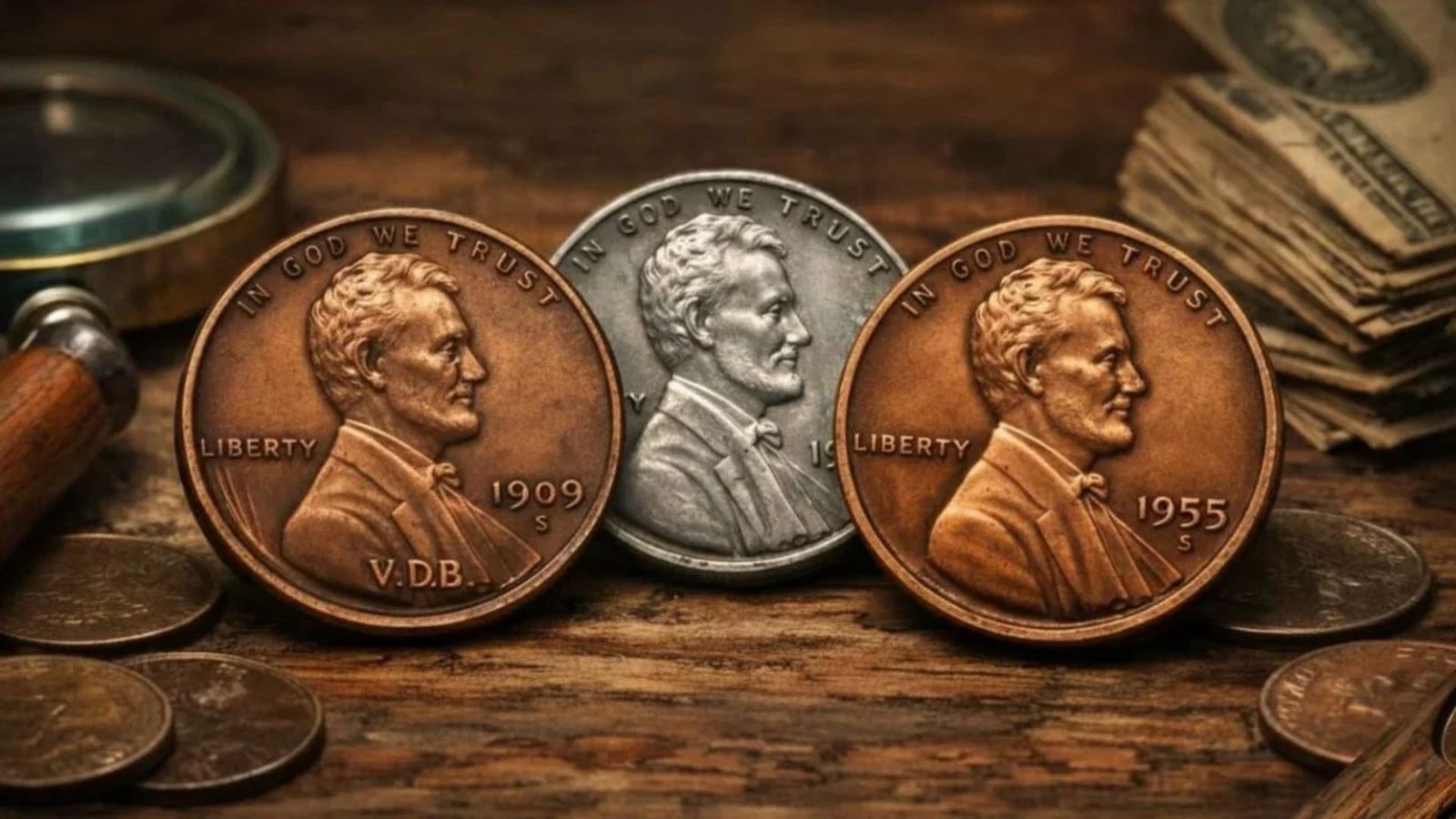
Ever dug through an old jar of coins and wondered if that dusty penny could change your life? In 2026, certain rare wheat pennies—those iconic Lincoln cents with wheat stalks on the back—are fetching jaw-dropping sums at auctions, some climbing into the millions. These aren’t just old coins; they’re pieces of history with minting quirks and low survival rates driving collector frenzy. Stick around as we break down the most valuable ones, current prices, and how you might spot a treasure in your pocket change.
What Are Wheat Pennies?
Wheat pennies, officially Lincoln Wheat Cents, were minted from 1909 to 1958. They feature Abraham Lincoln on the front and two wheat ears on the reverse—hence the nickname. Billions were made, but rare varieties, errors, and key dates make some worth far more than one cent today.
A Quick History of the Lincoln Wheat Cent
The coin debuted in 1909 to honor Lincoln’s 100th birthday. Designed by Victor David Brenner, early versions included his “VDB” initials (removed mid-year due to controversy). Production shifted during WWII—steel in 1943 to save copper, then back—with errors slipping through. The wheat design ended in 1958 for the Memorial reverse.
Why Rare Wheat Pennies Are Valuable in 2026
Collector demand surges with the U.S. Mint phasing out pennies and anniversary buzz. Rare errors like wrong-metal strikes or doubled dies, plus low-mintage keys, create scarcity. In top condition (graded MS65+), values skyrocket—some hitting seven figures.
Top Rare Wheat Pennies and Their 2026 Values
Here are standout rarities with estimated 2026 market ranges (values vary by grade and certification).
First, a comparison table of key dates and errors:
| Coin | Year/Mint | Type/Rarity | Circulated Value | High-Grade/Mint State Value | Why Valuable |
|---|---|---|---|---|---|
| 1909-S VDB | 1909-S | Low mintage + VDB initials | $700–$1,000 | $15,000–$250,000+ | Iconic first-year rarity |
| 1914-D | 1914-D | Low Denver mintage | $150–$500 | $10,000–$150,000 | Scarce in high grades |
| 1922 No D | 1922 | Missing mint mark error | $500–$1,000 | $7,500–$120,000 | Famous “plain” variety |
| 1943 Copper | 1943 (any mint) | Bronze instead of steel error | $100,000+ | $500,000–$2,300,000+ | WWII planchet mistake |
| 1944 Steel | 1944 (esp. S) | Steel instead of copper | $75,000+ | $150,000–$1,000,000+ | Opposite wartime error |
| 1955 Doubled Die | 1955 | Dramatic doubling error | $1,000–$1,500 | $50,000–$200,000+ | Obvious eye appeal |
Another table for top auction records (recent highs influencing 2026 estimates):
| Coin | Record Sale Price | Year Sold | Notes |
|---|---|---|---|
| 1943-D Bronze | $2.3 million (est. top) / $840,000 actual | Recent / 2021 | Unique Denver example |
| 1943-S Bronze | $504,000 | 2020 | One of few known |
| 1958 Doubled Die | $1,136,250 | 2023 | Record for variety |
| 1943 Bronze (general) | Up to $1.7 million | 2010 | Historical peak |
How to Check Your Coins and Start Collecting
Grab a magnifying glass—look for mint marks (S for San Francisco, D for Denver), doubling on letters/date, wrong metal (1943 should be silver-ish steel, not copper), or missing marks. Weigh suspicious 1943s (copper ~3.11g vs. steel ~2.7g). Get rare finds graded by PCGS or NGC. Start small: hunt rolls or estate sales, join forums, or buy certified coins online.
Notable Facts and Auction Records
- Only ~20-25 true 1943 copper pennies exist across mints.
- The 1909-S VDB had just 484,000 minted—tiny compared to billions overall.
- Recent auctions show values rising 20-50% in a few years due to demand.
Expert Tips for Collectors
Focus on condition—Red (original color) beats Brown. Always buy certified to avoid fakes. Store in holders away from humidity. Build a set by date/mint for fun, or chase one big error for thrill. Patience pays—markets fluctuate, but rarities trend up.
Frequently Asked Questions (FAQs)
Are any wheat pennies worth millions in 2026?
Yes, top-grade 1943 bronze examples approach or exceed $1-2 million based on records.
How do I know if my 1943 penny is rare?
If it’s copper (not steel/zinc), it’s potentially huge—get it checked!
What’s the most famous wheat penny error?
The 1955 Doubled Die—doubling visible to the naked eye.
Where can I sell a rare wheat penny?
Reputable auctions like Heritage, GreatCollections, or dealers—get it graded first.
Conclusion :
Rare wheat pennies remind us that history hides in everyday items—one tiny error or low-mintage date can turn a cent into a fortune. In 2026, with rising interest, these coins aren’t just collectibles; they’re investments and stories. Dig through your change, check those old jars, or start building a set today. You never know what treasure awaits. Share your finds in the comments—what’s your favorite wheat penny story? Happy hunting!