
Imagine digging through your loose change or an old coin jar and pulling out a penny worth more than a luxury car. It sounds like a dream, but stories of rare Lincoln Wheat pennies turning up in everyday pocket change keep popping up.
These small copper coins from 1909–1958 hide incredible value thanks to mint errors, low mintage, or historical quirks. Stick around as we dive into one jaw-dropping example and why checking your change could pay off big time.
What Is a Lincoln Wheat Penny?
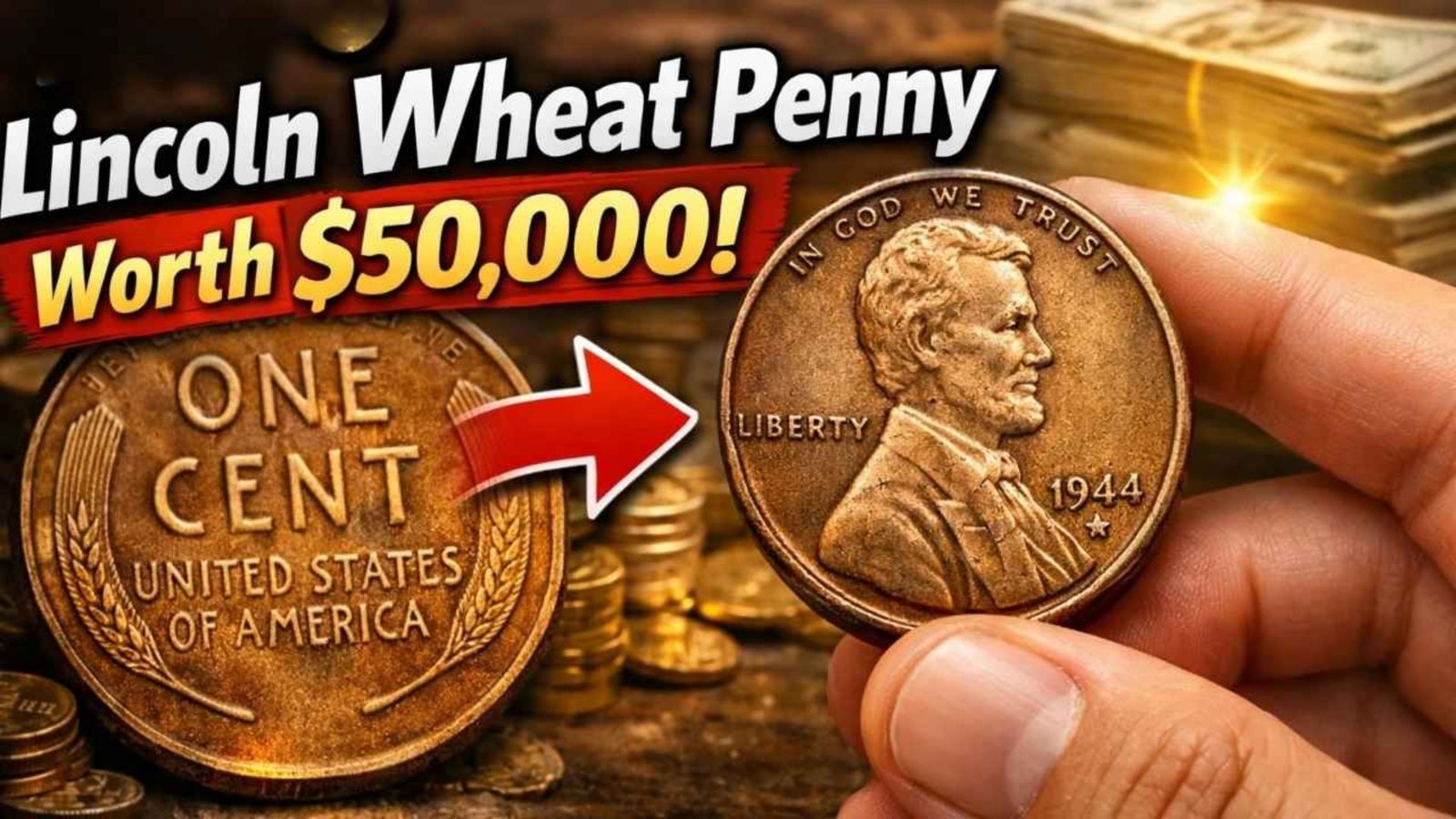
The Lincoln Wheat Penny, or Wheat Cent, features Abraham Lincoln on the front and two wheat stalks on the back – hence the “Wheat” nickname. Minted from 1909 to 1958, these replaced the Indian Head cent and became America’s most collected coin series.
The History and Origin of Lincoln Wheat Cents
Introduced in 1909 to honor Lincoln’s 100th birthday, designer Victor David Brenner created the iconic portrait. The wheat reverse symbolized prosperity. Production shifted during WWII (steel in 1943, back to bronze in 1944), leading to famous errors. Billions were made, but rare varieties survived in top condition or with mistakes.
Why Some Are Worth $50,000 or More Today
Value skyrockets from rarity, condition (graded MS-65+), and errors. Key factors include low mintage dates, off-metal strikes, or doubled dies. High-grade examples or unique mules fetch premiums at auctions. Recent sales show pieces hitting $50,000+ – and yes, some get found in circulation or old jars!
Famous High-Value Examples and Discoveries
Here are standout rare Lincoln Wheat pennies that have stunned collectors:
- 1943 Bronze Cent (error on copper instead of steel): Worth $300,000+
- 1944 Steel Cent (error on steel instead of bronze): $50,000–$100,000+
- 1955 Doubled Die Obverse: Dramatic doubling, up to $85,000
- 1909-S VDB: Low mintage key date, $50,000+ in high grade
- 1958 Doubled Die: Ultra-rare, over $100,000
| Rare Wheat Penny | Year/Mint | Key Feature/Error | Estimated Value (High Grade) | Rarity Notes |
|---|---|---|---|---|
| 1943 Bronze | Various | Copper planchet error | $300,000–$1M+ | Fewer than 20 known |
| 1944 Steel | Various | Steel planchet error | $50,000–$700,000 | Wartime mix-up |
| 1955 DDO | Philadelphia | Doubled die obverse | $20,000–$85,000 | Iconic error |
| 1909-S VDB | San Francisco | Low mintage + VDB initials | $50,000–$2M+ | First-year classic |
| 1922 No D | Denver | Missing mint mark | $10,000–$120,000 | Die polish error |
Stories of these turning up in pocket change or attics fuel the excitement – one person’s “junk” coin becomes another’s fortune.
How to Check Your Pocket Change for Treasures
Grab a magnifying glass and sort old pennies. Look for dates 1909–1958, wheat stalks on reverse, mint marks (S, D, or none), odd colors/textures, or doubling. Even circulated examples can hold value if rare. Start with jars, drawers, or bank rolls – treasures hide in plain sight!
Expert Tips for Spotting Valuable Wheat Pennies
- Check for 1943 (should be silver-steel; copper is jackpot).
- Inspect 1944 (bronze normal; steel rare).
- Look for doubling on letters/numbers (1955, 1958).
- Grade condition: Red (original luster) beats brown.
- Use apps or PCGS/NGC guides for verification – never clean coins!
Frequently Asked Questions (FAQs)
Q: Are Wheat pennies still found in circulation?
A: Rarely, but older ones pop up in change, especially from older rolls or estates.
Q: What’s the most valuable Wheat penny?
A: 1943-D Bronze errors top $800,000+, but $50,000+ pieces like 1944 Steel are more “attainable” rarities.
Q: Should I sell if I find one?
A: Get it authenticated first by PCGS or NGC to maximize value.
The thrill of rare Lincoln Wheat pennies lies in their accessibility – ordinary coins with extraordinary potential. Next time you get change, take a closer look; that $50,000 discovery could be waiting. Share this with friends who love coin hunting, check your jars today, and dive deeper into numismatics. Who knows what you’ll uncover?