
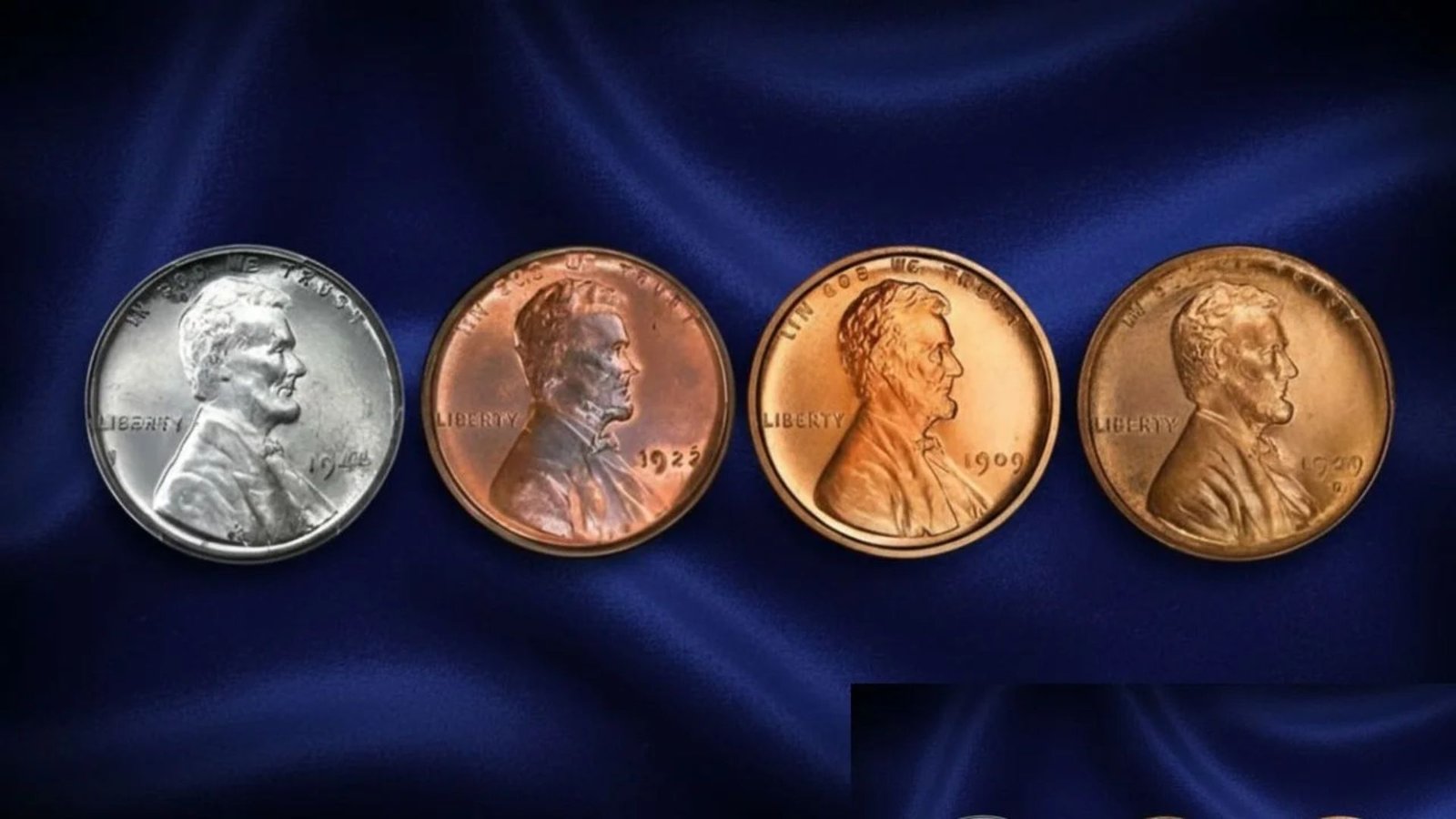
Have you ever rummaged through your change jar or old coin collection and wondered if one of those tiny pennies could change your life? The Lincoln Wheat Penny, minted from 1909 to 1958, looks ordinary—but some ultra-rare examples have fetched jaw-dropping prices at auctions.
Rumors swirl about one version worth up to $11 million, and the exciting part? These treasures might still turn up in everyday circulation, pocket change, or forgotten jars. Stick around as we dive into this fascinating world of rare coins, uncover the stories behind the value, and share tips to help you spot potential gems.
What Is the Lincoln Wheat Penny?
The Lincoln Wheat Penny (also called Wheat Cent) features Abraham Lincoln on the front and two wheat stalks on the back—hence the “wheat” name. Designed by Victor David Brenner, it’s been a U.S. staple since 1909.
A Quick History of the Lincoln Wheat Cent
Introduced in 1909 to mark Lincoln’s 100th birthday, these pennies replaced the Indian Head cent. Production ran through 1958, when the Memorial reverse debuted. Billions were made, but low-mintage years, errors, and historical quirks create rarity.
Why Some Lincoln Wheat Pennies Are So Valuable Today
Most are worth just a few cents, but scarcity drives prices sky-high. Key factors include low mintage, mint errors (like wrong metal), and condition. Collectors love them for history and the thrill of the hunt—some still circulate or hide in attics!
The Legendary $11 Million Claim – Fact or Hype?
Stories of a Lincoln Wheat Penny worth $11 million often point to extreme rarities, like unique 1943 copper errors (struck on bronze instead of wartime steel). While no confirmed sale hits exactly $11 million, top examples reach millions in estimates or private deals. The hype keeps hobbyists searching pockets everywhere.
Rare Varieties and Error Coins Worth Big Money
Here are standout rarities:
- 1943 Copper Penny (error on bronze planchet): Ultra-rare, values in six or seven figures.
- 1909-S VDB: Low mintage with designer’s initials.
- 1955 Doubled Die Obverse: Dramatic doubling visible to the eye.
Top Valuable Lincoln Wheat Penny Varieties Comparison
| Year/Mint | Variety/Error | Approx. Value (Circulated) | High-End Auction Record | Rarity Notes |
|---|---|---|---|---|
| 1943 | Copper (Bronze error) | $100,000+ | Up to $2.3 million+ | Only ~20 known genuine |
| 1909-S VDB | Low mintage + initials | $600–$1,000 | $50,000+ | Iconic first-year rarity |
| 1955 | Doubled Die Obverse | $1,000–$2,000 | $100,000+ | Famous dramatic error |
| 1914-D | Key date low mintage | $150–$400 | $300,000+ | Scarce non-error date |
| 1931-S | Low mintage | $50–$150 | $18,000+ | Hoarded but still collectible |
How to Check Your Pennies and Start Collecting
Grab a magnifying glass! Look for:
- 1943 dates (check if copper—not steel; won’t stick to magnet).
- Clear doubling on letters/numbers.
- “S” or “D” mint marks under date.
Sort old jars, check change, or visit coin shops. Start small—it’s fun and educational.
Pros and Cons of Collecting Lincoln Wheat Pennies
| Pros | Cons |
|---|---|
| Affordable entry for beginners | Fakes and altered coins common |
| Huge potential upside | Requires knowledge/grading |
| Historical fun & stories | Storage & preservation needed |
| Still possible in circulation | Most finds worth face value |
Expert Tips for Spotting Valuable Wheat Pennies
- Use the magnet test on 1943s (genuine copper won’t stick).
- Check for luster and minimal wear in higher grades.
- Avoid cleaned coins—they lose value.
- Get suspicious finds authenticated by PCGS or NGC.
Frequently Asked Questions (FAQs)
Q: Is there really a Lincoln Wheat Penny worth $11 million?
A: Not exactly sold at that price yet, but rare errors approach or exceed multi-million estimates in top condition.
Q: Are Wheat Pennies still in circulation?
A: Yes! Many pre-1959 coins linger in change, jars, or estates.
Q: How do I sell a rare penny?
A: Authenticate first, then use reputable auctions like Heritage or eBay (with caution).
Final Thoughts
The Lincoln Wheat Penny proves everyday items can hide incredible value—whether a quirky error or low-mintage gem. While a true $11 million coin is ultra-rare, the hunt itself is thrilling and rewarding. Dig through your pockets, share this with friends, and who knows? Your next find could be life-changing. Start checking today—what’s in your change right now?