
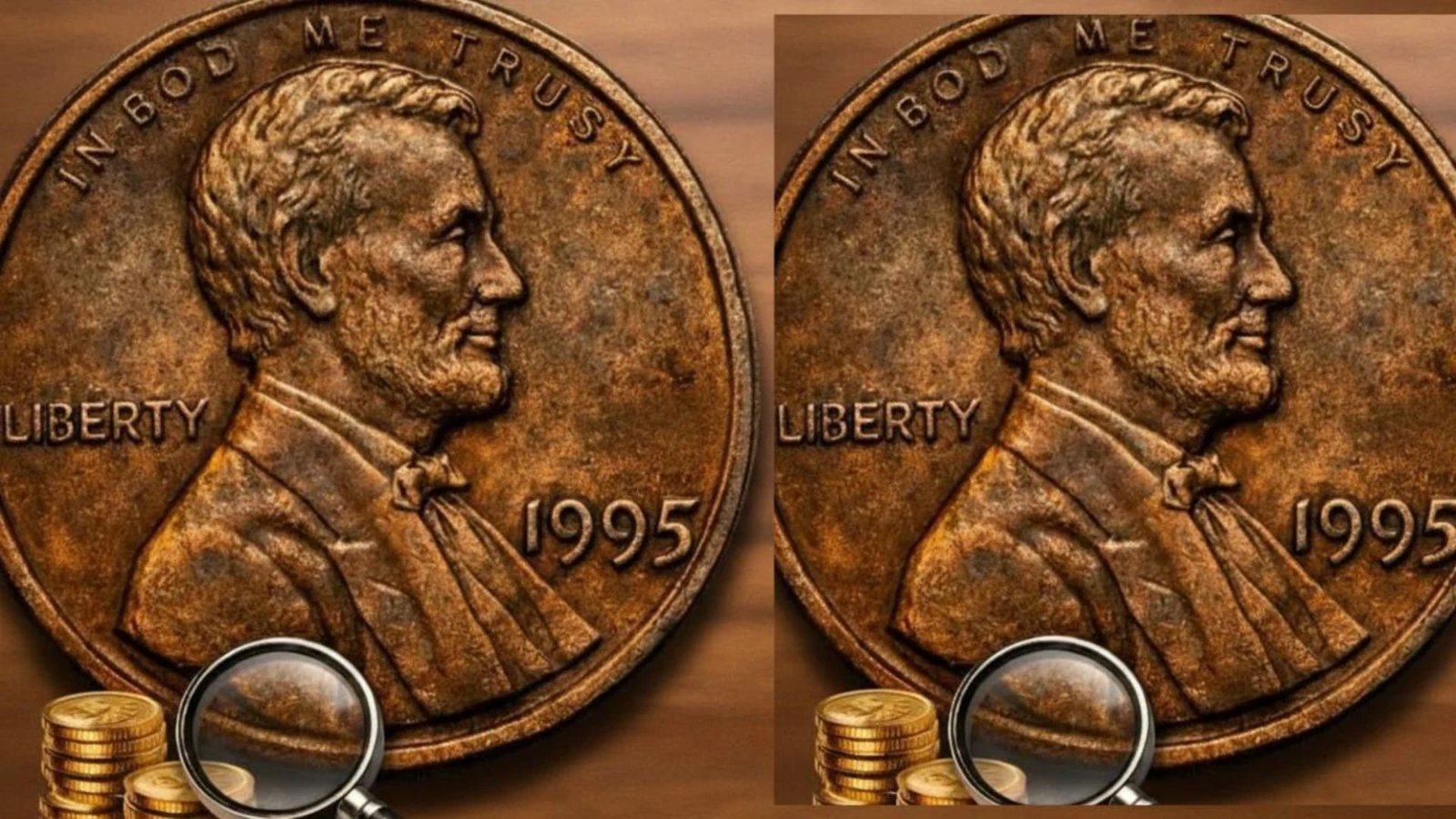
Have you ever dug through your pocket change or an old jar of coins and wondered if one of those ordinary pennies could be worth hundreds—or even thousands? The 1995 Doubled Die Lincoln Penny is exactly that kind of treasure.
This modern error coin sparked a nationwide hunt when it was discovered, and it’s still turning up today. Stick around as we break down what makes it special, how to identify one easily, and why it could be hiding in your collection right now.
What Is the 1995 Doubled Die Lincoln Penny?
The 1995 Doubled Die Obverse (often called DDO or doubled die Lincoln cent) is a striking error variety on the obverse (front) side of the coin. During minting, the die received multiple slightly misaligned impressions from the hub, creating a dramatic “doubled” effect on letters and details. Unlike subtle errors, this one is bold enough to see without a magnifying glass—making it a favorite for hobbyists.
The History and Origin of This Famous Error
In early 1995, a Philadelphia Mint worker noticed something unusual on fresh pennies: noticeable doubling on key inscriptions. The error stemmed from the old hub-and-die process, where the master hub impressed the design onto the working die more than once, but with a slight shift. This created the famous variety (FS-101). A school custodian and others found examples in rolls, sparking media buzz. It became one of the last major doubled dies before the Mint switched to single-hub methods, ending such dramatic errors.
Why the 1995 Doubled Die Remains Valuable Today
Even with high original mintage (over 6 billion regular 1995 pennies), the doubled die variety is sought after for its visibility and place in error coin history. It’s more dramatic than many modern varieties, yet affordable for beginners. Collectors love it as an accessible “modern classic” compared to pricier classics like the 1955 Doubled Die.
How to Spot the Doubled Die: Step-by-Step Guide
Grab good lighting and examine the obverse closely—no loupe needed for strong examples!
- Look at “LIBERTY” — Check for clear doubling, especially on the bottom of letters like B, E, and R. It appears as a shadow or thick outline.
- Examine “IN GOD WE TRUST” — The motto shows noticeable doubling, particularly on “IN GOD” and parts of “WE TRUST.”
- Compare to a normal 1995 penny — Normal coins have sharp, single images; genuine doubled dies have consistent, raised doubling (not machine doubling, which is flat and inconsistent).
If it matches, you might have a winner!
Value Guide and Market Prices
Values depend on condition (graded by PCGS or NGC) and color (Red is premium).
| Condition | Approximate Value (USD) | Notes |
|---|---|---|
| Circulated (Fine-VF) | $20 – $50 | Common in change |
| Extremely Fine | $50 – $100 | Minimal wear |
| About Uncirculated | $100 – $200 | Nice eye appeal |
| Mint State (MS65+) | $200 – $500+ | Strong red examples higher |
| Top Grade (MS68-69 Red) | $150 – $5,000+ | Auction records for finest |
Note: The rarer 1995-D varieties can fetch more, but the classic Philadelphia one is most common.
Notable Facts and Comparisons
Here’s how it stacks up against other famous doubled die Lincoln cents:
| Year | Variety | Doubling Visibility | Typical Value (MS65) | Rarity Level |
|---|---|---|---|---|
| 1955 | Doubled Die | Extremely dramatic | $1,000 – $2,000+ | Very rare |
| 1972 | Doubled Die Obverse | Moderate | $300 – $500 | Moderate |
| 1995 | Doubled Die Obverse | Strong, naked-eye | $200 – $500 | More available |
| 1995-D | Minor varieties | Subtle | $100 – $1,500+ | Rarer |
The 1995 stands out as the most dramatic post-1970s example and one of the last of its kind.
Expert Tips for Collectors
- Search bank rolls, old jars, or pocket change—many still circulate.
- Buy certified (PCGS/NGC) for authenticity.
- Focus on Red (RD) examples for max value.
- Avoid fakes: True doubling is rounded and uniform, not machine-made.
- Join forums or shows to learn more from fellow hobbyists.
Frequently Asked Questions (FAQs)
Q: Is every 1995 penny with doubling valuable?
A: No—only the specific FS-101 variety with strong, consistent doubling qualifies. Minor machine doubling is common and worthless.
Q: How rare is the 1995 Doubled Die?
A: Thousands exist, but high-grade Red pieces are scarcer and command premiums.
Q: Where can I sell one?
A: eBay, coin dealers, or auctions like Heritage for certified examples.
Final Thoughts: Start Hunting Today!
The 1995 Doubled Die Lincoln Penny proves that incredible finds can still lurk in everyday change. Its bold doubling, historical significance, and solid value make it a must-have for any rare coin enthusiast. Grab a magnifying glass (or just good light), check your pennies, and you might uncover hidden value. Found one? Share in the comments! For more error coin guides, explore our other posts on Lincoln cent varieties.