
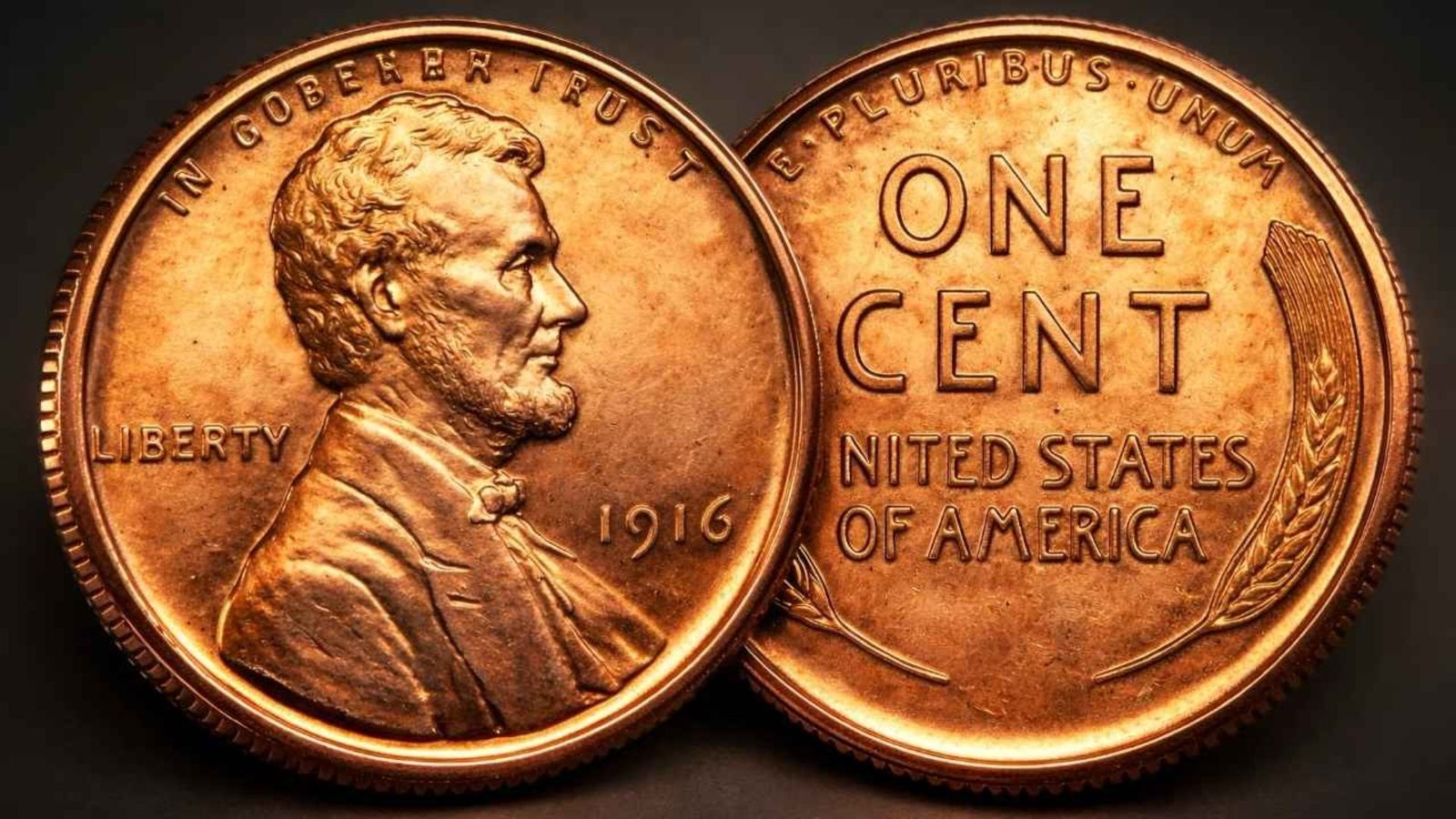
The 1916-S Wheat Penny is a fascinating piece of American numismatic history that gets coin collectors excited. Imagine finding an old penny in a jar or pocket change that could be worth thousands in top condition.
This semi-key date Lincoln cent from the San Francisco Mint draws hobbyists because of its lower mintage and strong demand among rare coin enthusiasts. Stick around as we dive into its story, current values, and tips to spot if you have a valuable one.
What Is the 1916-S Wheat Penny?
The 1916-S Wheat Penny is a Lincoln cent struck at the San Francisco Mint. It features Abraham Lincoln on the obverse and two wheat stalks (the “Wheat” reverse) on the back. Designed by Victor David Brenner, these Wheat Pennies ran from 1909 to 1958. The “S” mintmark below the date marks it as a San Francisco issue.
History and Background
In 1916, during World War I’s early years, the U.S. Mint produced over 131 million Lincoln cents total. The San Francisco branch made only 22,510,000 — far fewer than Philadelphia or Denver. This lower production makes the 1916-S a semi-key date in the series, especially appealing to collectors building full sets.
Why the 1916-S Lincoln Cent Is Valuable Today
Its value stems from scarcity in high grades, collector demand, and the charm of early 20th-century coins. Circulated examples start low, but pristine, red-colored specimens fetch big money due to rarity. Well-preserved examples can be worth thousands.
Current 1916-S Wheat Penny Values by Grade
Values vary hugely by condition (graded by services like PCGS or NGC) and color: Brown (BN), Red-Brown (RB), or full Red (RD).
1916-S Wheat Penny Value Comparison Table (Approximate USD, 2026 estimates)
| Grade/Condition | Brown (BN) | Red-Brown (RB) | Full Red (RD) |
|---|---|---|---|
| Good (G-4) | $3–$5 | — | — |
| Fine (F-12) | $5–$12 | — | — |
| Extremely Fine (XF-40) | $25–$40 | — | — |
| Almost Uncirculated (AU-50) | $40–$60 | — | — |
| Mint State 63 (MS-63) | $150–$250 | $300+ | $500+ |
| Mint State 65 (MS-65) | $700–$800 | $1,000+ | $5,000–$7,000+ |
| Top Grades (MS-66+) | $2,000+ | $5,000+ | Up to $27,000 |
Higher red luster commands premiums because copper oxidizes over time.
Notable Facts and Records
- Mintage: 22,510,000 — lowest of the 1916 issues.
- Highest recorded sales reach around $27,000 for gem full red examples.
- It’s a semi-key date for 1909–1928 S-mint Lincoln cents.
- Rare errors (like off-center strikes or laminations) boost value further, though most are standard strikes.
How to Engage: Check, Grade, and Benefit
Hunt through old jars, inherited collections, or coin rolls. Examine the mintmark carefully — genuine “S” is small and specific. Get promising coins graded by PCGS or NGC for authentication and maximum value. Selling through auctions or dealers can turn a find into cash. Many hobbyists enjoy the thrill of the hunt and building sets.
Expert Tips for Collectors
- Prioritize eye appeal: Look for sharp details and original luster.
- Avoid cleaned coins — they lose value.
- Watch for fakes: Altered mintmarks exist; buy certified when possible.
- Store properly in holders to preserve condition.
Frequently Asked Questions (FAQs)
How much is a 1916-S Wheat Penny worth in average condition?
Around $3–$5 circulated, but uncirculated jumps to hundreds or thousands.
What makes a 1916-S penny rare?
Lower San Francisco mintage and difficulty finding high-grade red examples.
Can a 1916-S Wheat Penny be worth thousands?
Yes — top MS-65+ RD specimens have sold for $5,000 to $27,000.
Where can I sell my 1916-S Lincoln cent?
Reputable dealers, eBay (certified), or major auctions like Heritage or GreatCollections.
Conclusion
The 1916-S Wheat Penny remains a rewarding target for rare coin collectors thanks to its history, scarcity, and potential high value. Whether you’re a beginner spotting one in change or a seasoned numismatist chasing gem examples, this Lincoln cent offers excitement and possible profit. Check your pockets or old collections today — you might hold a small piece of history worth far more than one cent. Share your finds in the comments or explore more Wheat Penny guides!